"And above all, watch with glittering eyes the whole world around you because the greatest secrets are always hidden in the most unlikely places. Those who don't believe in magic will never find it." — Roald Dahl
As an elementary teacher and instructional coach, one of the things I have heard over and over is how overwhelming it is for teachers to set up a Writer’s Workshop. This structure, researched by many, including Donald Graves, Donald Murray, and Lucy Calkins, provides students with a predictable routine for writing instruction that includes a mini-lesson and extended time for students to write. During the workshop time, the teacher will confer with individuals and small groups and the students will spend time prewriting, drafting, editing, revising, and publishing.
One of the most important things for teachers to understand is that Writer’s Workshop is not WHAT you teach, it is the framework that is in place for the writing block. Once students understand the predictable structure of this sacred time, the teacher will utilize district curriculum and pacing guides, state standards, and the needs of students to dictate what is taught in mini-lessons. Teachers may utilize mentor texts, model writing in front of children, pair students for peer-editing and revision, and provide varied opportunities for publishing.
Structure of a Writer’s Workshop
Mini-lesson (about 15 minutes)
|
*Focused lesson on a single topic usually taken from your state standards or district curriculum
*Adjust for the needs of your students
*May include examining a mentor text or teacher modeling
|
Writing time (20-45 minutes*)
|
*Students write
*Kids may work individually and/or partnerships
*Teacher will confer with individuals or may pull small groups that need targeted writing instruction
*Students may also be working on different stages of the writing process during this time: drafting, editing, revising, publishing, etc.
|
Sharing/Wrap-up (5-10 minutes)
|
*Students may share writing in partners, groups, or with the entire class
*Teacher may share writing
*Reiterate teaching point from mini-lesson
|
*Depending on your students
There are many resources for setting up this time, but teachers should utilize the following components to ensure the most effective environment for a daily writing routine.
P-E-N-C-I-L
Purpose: Above all, children need authentic reasons to write. When kids know their writing will be viewed by their classmates, others in their school, and even online, they have an innate desire to do their best because they know it is not just busy work. When teachers present writing lessons, they can build on kids’ unique experiences, their hopes and dreams, and their questions to spark purposeful reasons to write. Patricia Cunningham and Richard Allington say, “Children who are successful at becoming literate view reading and writing as authentic activities from which they get information and pleasure, and by which they communicate with others.”
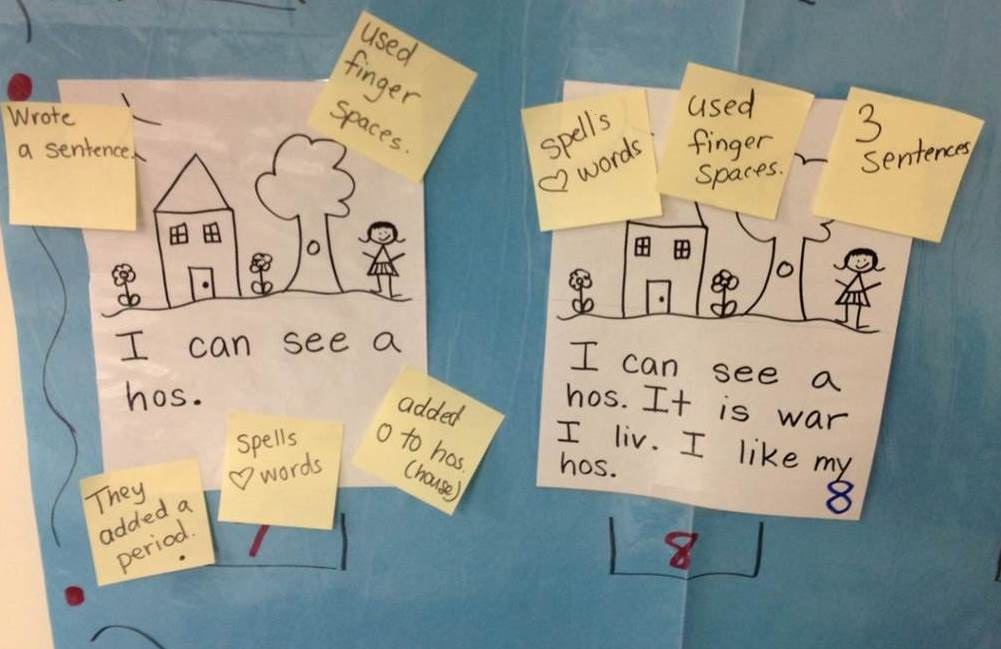
Environment: Intentional teachers will set up a classroom environment that supports independence and literacy connections to daily life, grade-level content, and authentic writing opportunities. Children should be surrounded by meaningful labels, charts, and literature from a broad range of genres. This access should include print books and technology resources and should reflect a developmentally appropriate range of literacy opportunities. A first grade print-rich environment will differ tremendously from that of a sophomore English class, but both teachers will think through ways to establish an environment that is engaging and mirrors their students’ real lives as readers and authors. As students are introduced to new types of writing, multiple examples of mentor texts that support the structure should be available for kids to read and emulate. For further examples of literacy-rich environments, click here.
Nurture: In college, I read a book by Mem Fox that changed the trajectory of my thoughts as a teacher and a writer. In her book Radical Reflections, Fox writes, “I think we tend to forget about this element of relationships when we teach writing. Are we aware of how much our students dread having their writing knocked back? Do we trample on their vulnerability when they limp in, unarmed, from the battlefield? It’s hard to keep in mind the painful wounds of battle and the importance of friendship unless you’ve been wounded yourself. Teachers of writing who have been soldiers themselves, engaged in a writing battle, must be able to empathize more closely with the comrades in their classrooms than teachers who are merely war correspondents at the hotel bar, as it were, watching the battle from a safe distance, declining to get in there themselves and write.”
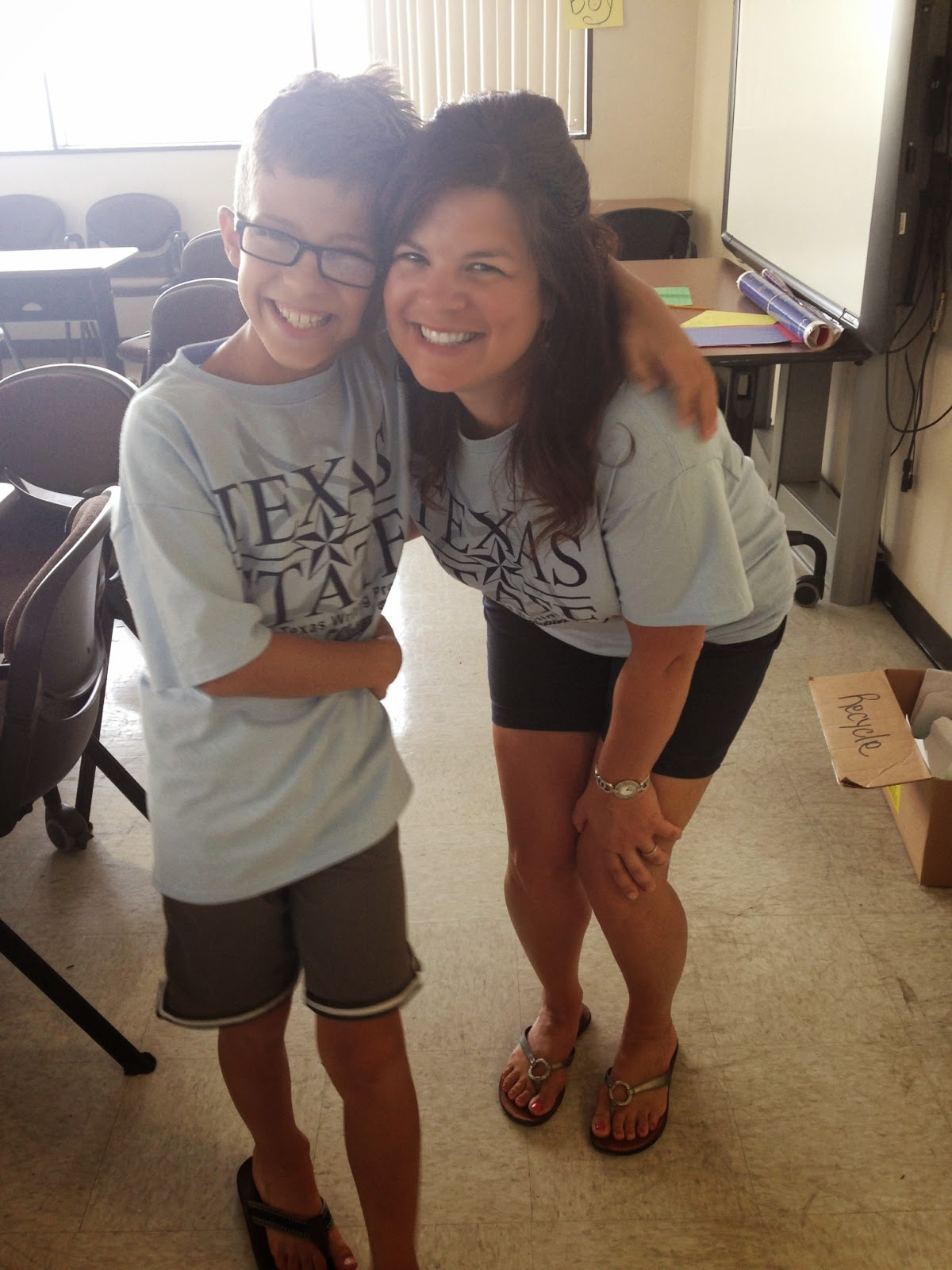
This quote changed me. As a teacher consultant for the Central Texas Writing Project and an elementary classroom teacher, I have been able to see first-hand how powerful it is when a teacher writes alongside his/her students. It communicates camaraderie and understanding. It shows student writers that the teacher is willing to be vulnerable and engage in a writing struggle. It requires teachers to look for supportive and nurturing ways to provide targeted feedback to students that will improve writing instruction and ultimately, student performance. The definition of the word nurture is, “To care for and encourage the growth or development of…” This clearly doesn’t mean we are always sunshiny and never hold students accountable for growth and grammar. It means that we meet each student writer where they are and find targeted ways to help them develop into accomplished, capable authors.
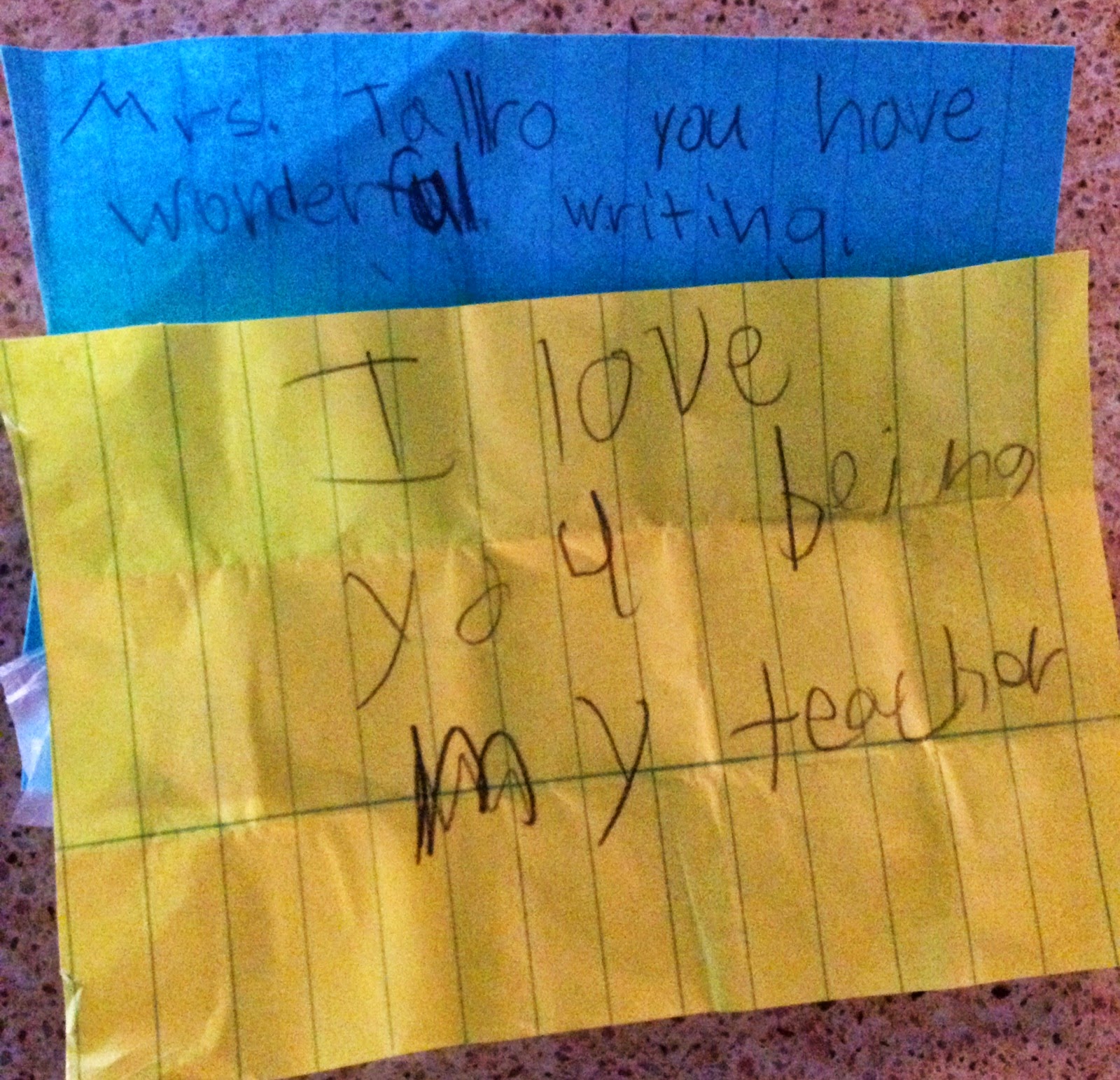
Coach: Writing development doesn’t just happen. Intentional teachers will observe their students in order to look for what kids already do well and what they need today to be a better writer tomorrow. Building on those individual strengths helps children at all stages of writing development grow as authors. If a group of students needs work on a similar writing goal the teacher may decide to pull a small group for a quick review of a particular skill. An advanced writer may need a gentle nudge from a teacher to discover a new writing technique, to find ways to add details to their writing, or be explicitly taught how to use a rubric to self-monitor their own writing. Coaching can be done by the teacher and also by the students, once proper expectations are in place. Click here for a student-made video about peer conferencing.
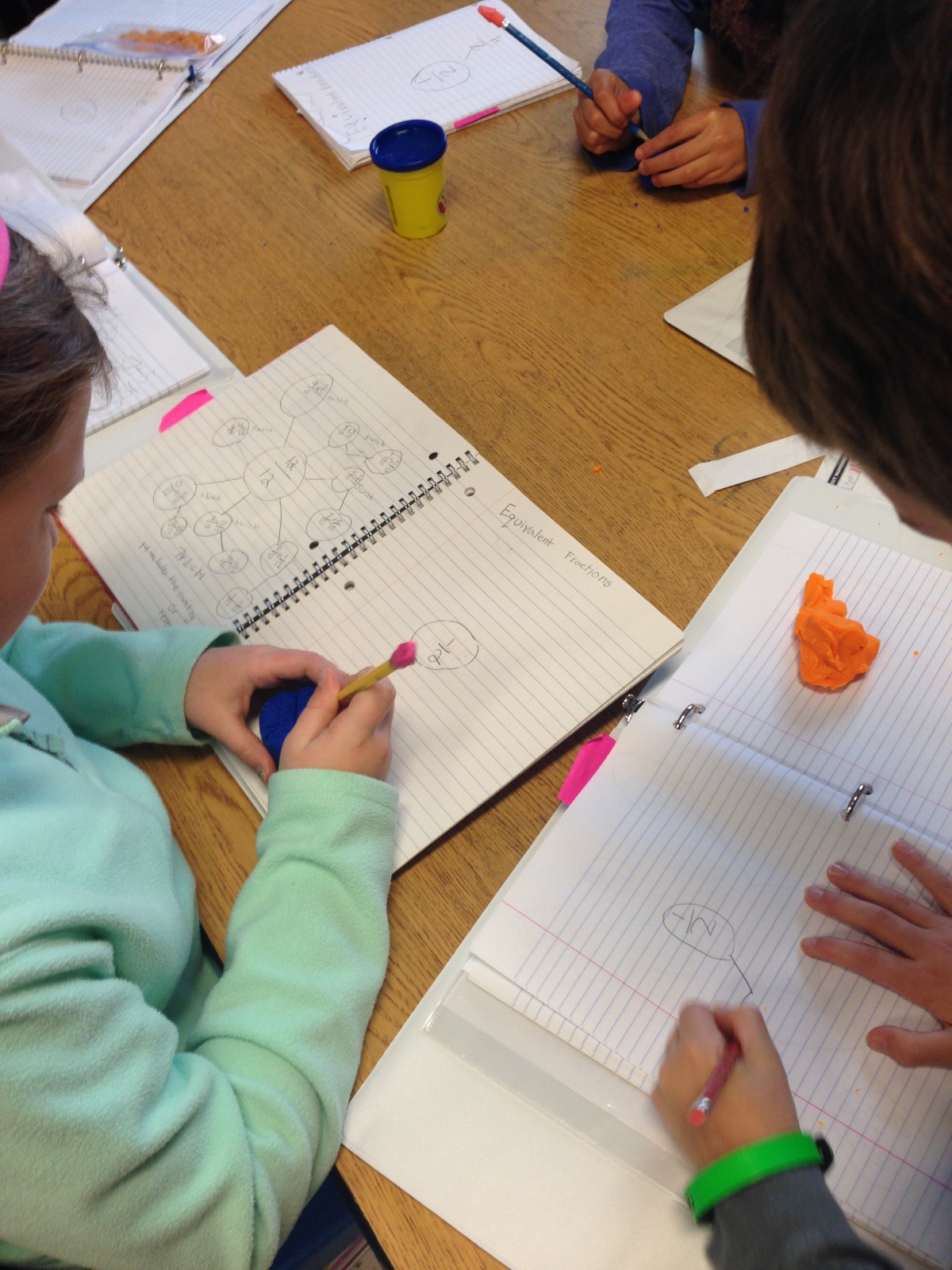
Integrated: It is my hope that time will be devoted to Writer’s Workshop each day, but it is crucial that the writing process be integrated into all aspects of the school experience. Writing skills may be taught in isolation, but will be transferred more naturally if they are woven into the daily fabric of math, reading, technology, science, and social studies instruction. Students may write to solidify scientific understandings and write to publish articles about important social studies figures. They may write a blog to explain connections with popular literature and to share books with peers. Technology should be leveraged to give students an authentic audience to share their work across the campus, the district, and the country. Today’s educational culture is shifting toward student choice, maker opportunities, and collaboration. Writer’s Workshop is a necessary complement to this kind of teaching, and should be celebrated as a way to reflect and connect student ideas and learning across content areas. For practical ideas about Writer’s Workshop and Makerspaces, click here.
Linked to Life: Want to know a secret? Kids are smart. It takes the average 7 year-old and 7th grader about 7 seconds to realize that a teacher has asked him/her to do busy work. In today’s society, kids are desperate for connection. Educators must find ways to use this need to our advantage and to improve student self-esteem and student performance in the process. Is there an issue that students care about? Write letters and deliver them instead of writing fake letters and hanging them in the hall. Do the kids see something in the library or their school they like or wonder about? Have them write notes to the students and teachers in other grades and ask questions. Do they need to ask for clarification, broaden their understanding of a topic, or disagree about something? Writing is the way that this generation of students communicates with peers and a broad global audience. Our online presence is strengthened when we write well, connect with others, and pay attention to spelling, grammar, and appropriate content. All of these skills are necessary and can be taught in the context of real-life applications of content in a caring classroom environment.
The PENCIL may seem to have lost some of its power in this age of technology. Whether students wield a Ticonderoga, a Chromebook, or an iPhone as their tool, the power they have as authors has never been more real. Brave teachers will find authentic, meaningful ways to hold on to the fundamentals of sound writing instruction as they navigate an evolving culture of technology application and worthwhile writing opportunities for all students.